
Chloroauric Acid: The Gold Compound Driving Innovation Across Modern Industry
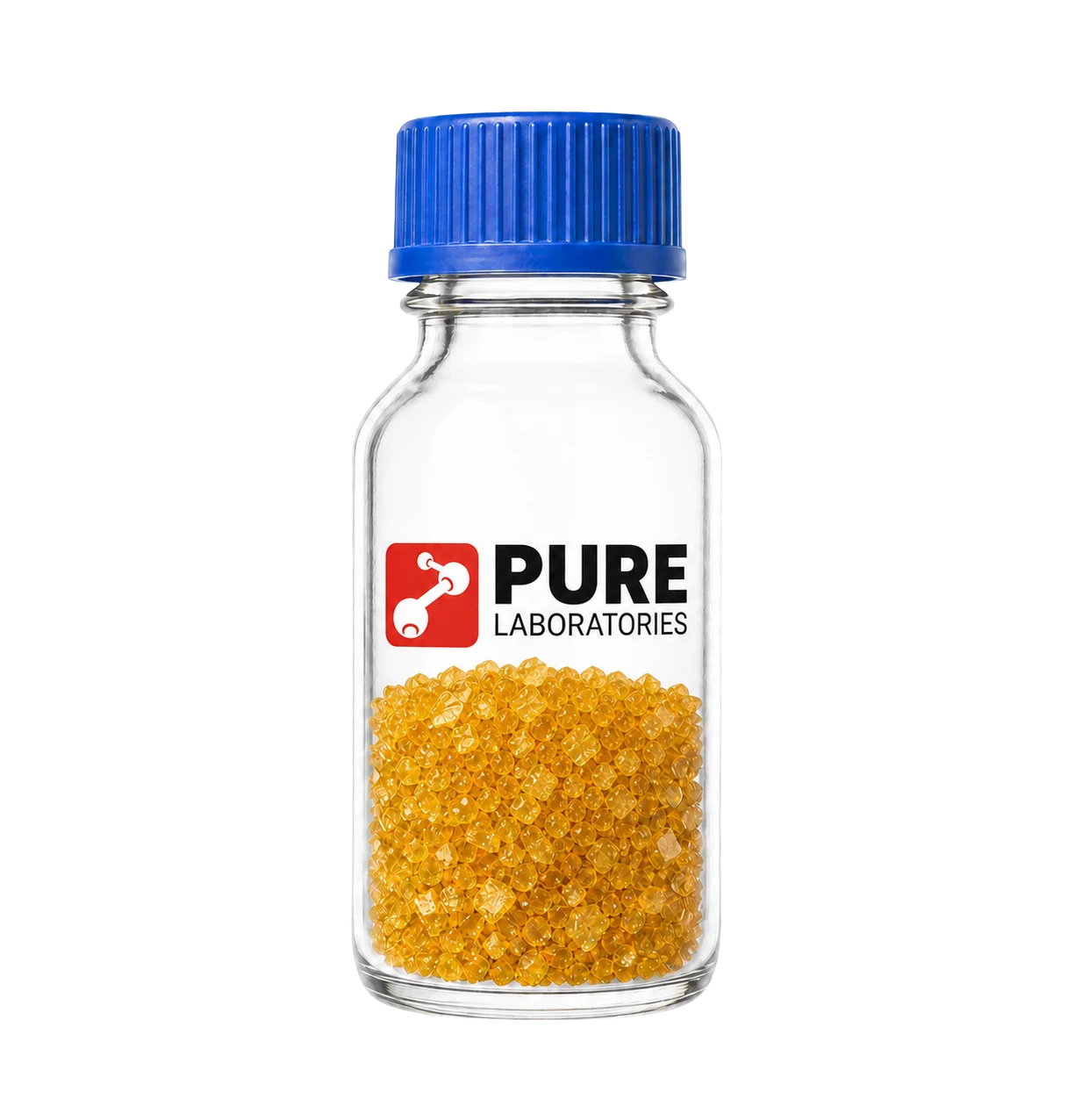
There's a good chance you've encountered the work of chloroauric acid today without knowing it. The smartphone in your pocket, the diagnostic test that detects disease from a single drop of blood, the aerospace components built to survive the extremes of low-Earth orbit — gold plays a role in all of it. And more often than not, that gold started its journey as HAuCl₄: a deep amber, water-soluble compound that serves as the gateway to gold chemistry at its most precise and purposeful. Chloroauric acid isn't glamorous in the way that finished gold products are. It sits in a laboratory bottle, not a display case. But for the researchers, engineers, and manufacturers who depend on it, it's one of the most important materials they work with — because without a reliable, ultra-high-purity source of it, much of what they're trying to build simply doesn't work.
Read MoreThe Future of High-Purity Materials: What Advanced Manufacturing Demands Now
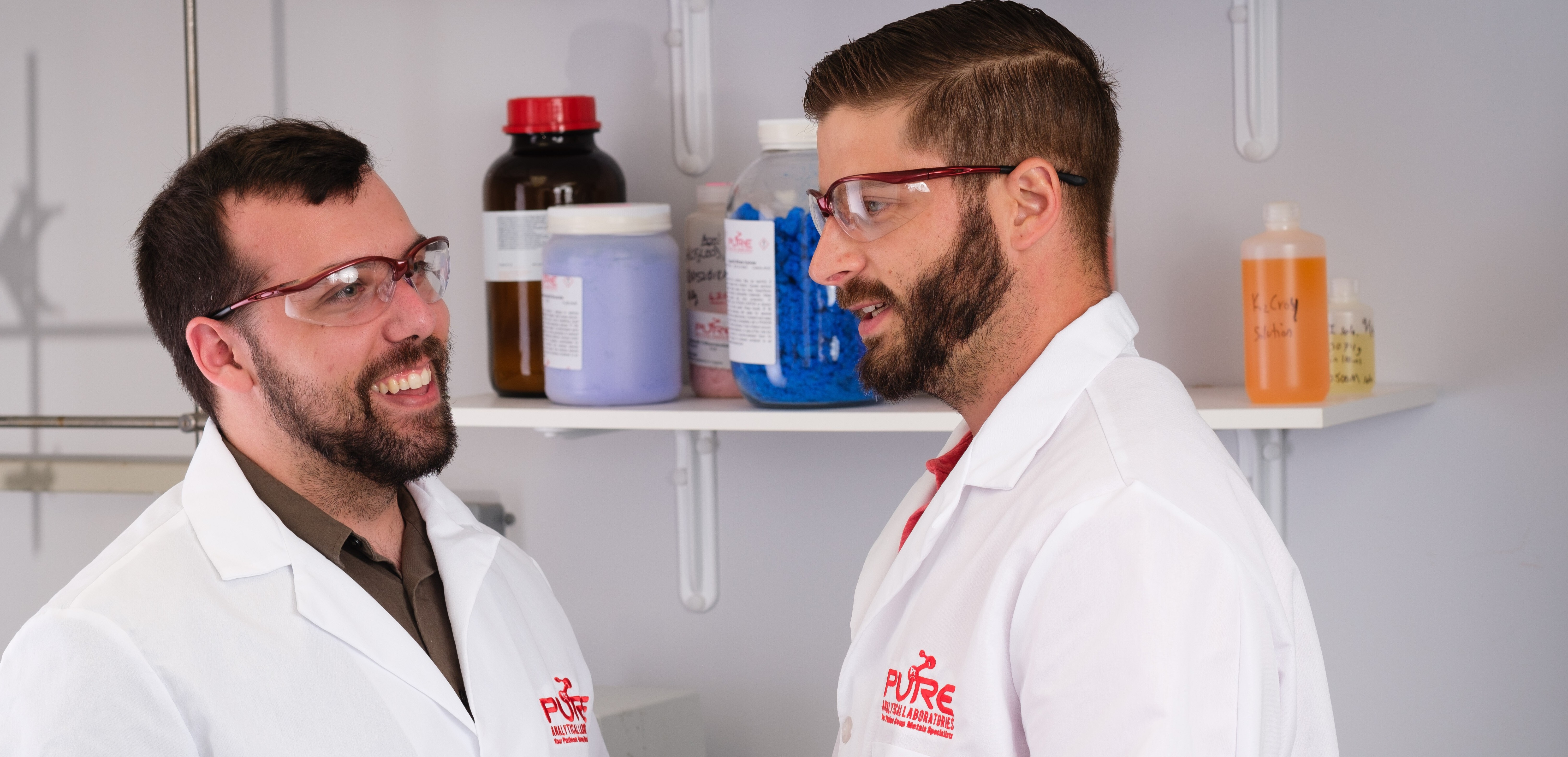
The demands placed on high-purity materials have never been greater. Across advanced semiconductors, clean energy, aerospace, and beyond, manufacturers are pushing the boundaries of what materials can do — and the margin for error is shrinking. In a recent episode of Bench Boost, the official podcast of Inorganic Ventures, Pure Laboratories President Will Marble and Vice Chairman of IV Labs and Pure founder Erik Miller sat down with host Mike Booth to discuss the challenges reshaping the industry and how Pure is meeting them head-on.
Read MoreBehind the Results: How PURE Laboratories Achieves Five and Six Nines Purity
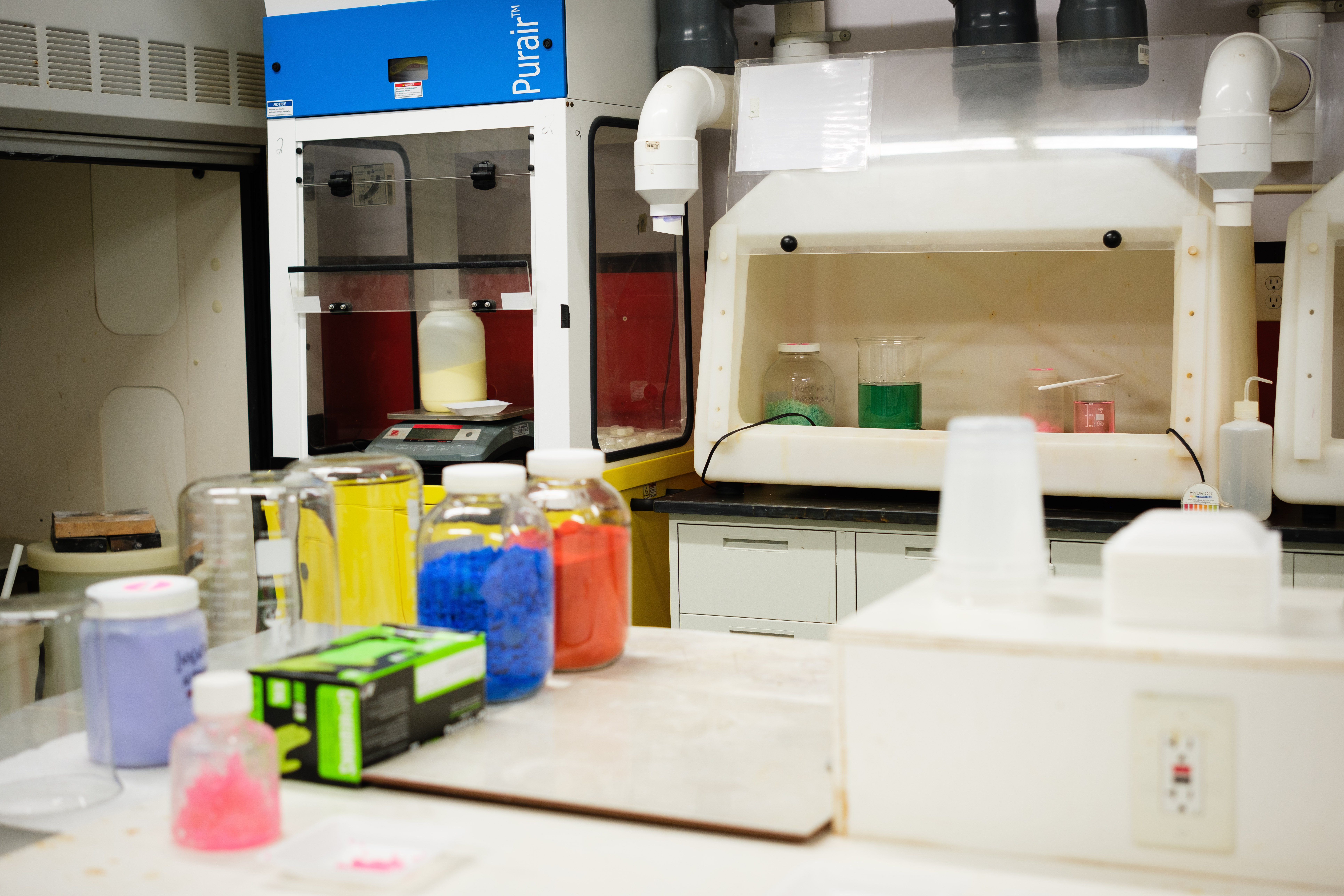
Achieving 99.999% or 99.9999% purity isn't just a matter of having the right instrumentation. It's the result of hundreds of small, deliberate decisions made every single day — in how samples are prepared, how labs are designed, how contamination is prevented, and how problems are diagnosed when results don't look right. In the second installment of PURE Laboratories' appearance on Bench Boost, the official podcast of Inorganic Ventures, General Manager Dave Neville and IV Labs Vice Chairman and PURE founder Erik Miller gave host Mike Booth an inside look at the analytical rigor behind PURE's materials.
Read MoreThe Compound Behind Modern Platinum Chemistry
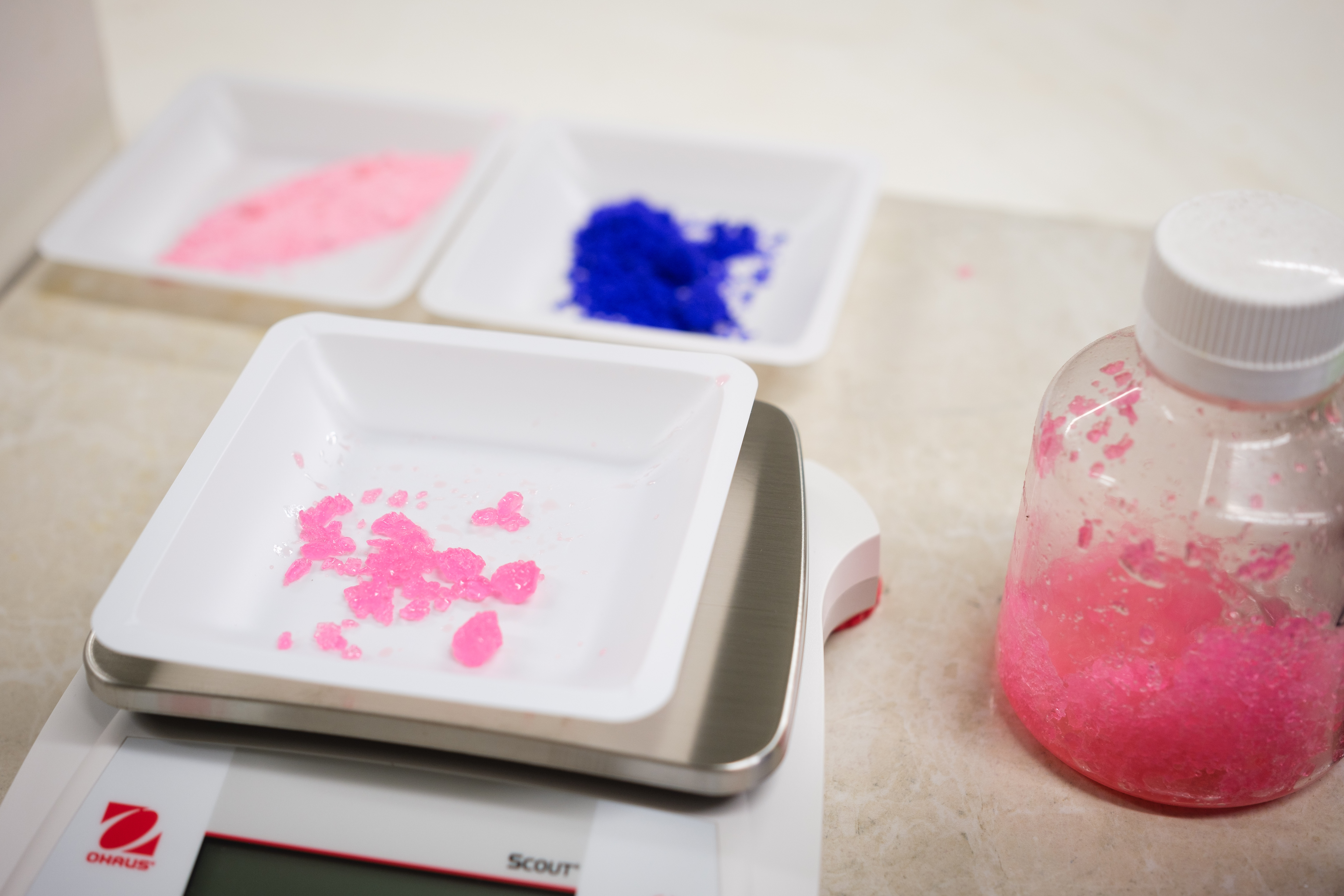
Chloroplatinic Acid — also known as hexachloroplatinic acid. A highly water-soluble platinum salt and the primary industrial source of platinum for catalysis, electroplating, nanotechnology, and analytical chemistry. Available from Pure Laboratories at purities from 99.9% to 99.9995%. Few inorganic compounds carry the industrial weight of chloroplatinic acid. From the silicones coating the seals in your car to the hydrogen fuel cells being developed for clean energy, the thread running through much of modern platinum chemistry is this single, remarkably soluble salt. Understanding what it does — and why purity matters so much when using it — is essential for anyone working in catalysis, materials science, or precious metal processing. Where Chloroplatinic Acid Does Its Work The compound's high solubility and ease of conversion into metallic platinum or platinum-based materials gives it utility across a wide range of industries. Its five major application areas each depend on the same underlying chemistry — but demand very different things from their starting material. 01 — CATALYSIS Organic Catalysis & Hydrosilylation As the active component of Speier's catalyst, CPA dissolved in isopropanol is the workhorse of hydrosilylation — the reaction at the heart of silicone manufacturing for sealants, adhesives, medical-grade elastomers, and electronic encapsulants. 02 — REFINING Platinum Purification & Recovery CPA serves as a key intermediate in extracting platinum from ores, spent catalysts, electronic waste, and recycled materials. Selective precipitation as ammonium hexachloroplatinate allows recovery of platinum at exceptional purity. 03 — NANOTECHNOLOGY Nanoparticles & Electrocatalysts Through chemical or electrochemical reduction, CPA yields finely dispersed platinum nanoparticles with controlled size and morphology — critical for hydrogen fuel cells, energy conversion systems, and next-generation electrochemical sensors. 04 — SURFACE SCIENCE Electroplating & Coatings Platinum deposited from CPA plating baths offers corrosion resistance, high-temperature stability, and superior electrical conductivity on metals, glass, ceramics, and laboratory electrodes and fuel-cell components. Analytical Chemistry In the laboratory, chloroplatinic acid functions as a selective reagent for identifying and quantifying specific ions — including potassium (K⁺), cesium (Cs⁺), ammonium (NH₄⁺), and thallium (Tl⁺) — by forming characteristic insoluble complexes. Its precision and reliability in this role depend directly on the purity of the starting material. "The largest-volume applications are generally associated with hydrosilylation catalyst production for silicone manufacturing and the preparation of platinum catalysts and electrocatalysts used in energy, chemical processing, and environmental technologies." Specialized & Historical Applications Beyond its high-volume industrial roles, chloroplatinic acid has found use in several more specialized — and historically significant — areas: Decorative finishes: Platinum lusters derived from CPA provide durable metallic coatings on porcelain, ceramics, glassware, and decorative art objects. Photography: Traditional platinum printing processes relied on CPA-derived chemistry. Platinum prints are prized for archival stability, image permanence, and rich tonal range — qualities that still attract fine-art photographers today. Materials processing: Historically employed in relief etching of zinc printing plates, indelible ink manufacture, and specialized metal finishing operations. Microscopy & biological research: Occasionally used as a staining or fixation reagent during biological sample preparation and microscopic analysis. Why Purity Is Everything In each of these applications, trace contaminants are not a minor inconvenience — they are a direct threat to process performance. A catalyst synthesized from impure CPA may exhibit unpredictable activity, shortened service life, or batch-to-batch variability that undermines the entire manufacturing process. In analytical chemistry, even parts-per-billion impurities can skew results. In nanotechnology, contaminants influence particle morphology in ways that cannot be corrected downstream. This is why the purity specification of your chloroplatinic acid source matters as much as any other process parameter. The compound's advantages — high solubility, ready conversion to metallic platinum, compatibility with diverse manufacturing chemistries — are only fully realized when the material itself is rigorously characterized and certified. Key Properties That Make CPA Indispensable High solubility in water and many polar solvents — enabling homogeneous catalyst systems Excellent platinum availability for chemical processing at both lab and industrial scale Easy, controllable conversion to metallic platinum and platinum nanoparticles Compatibility with established catalyst manufacturing processes and electroplating baths Utility across refining, electroplating, analytical, and nanotechnology workflows High-Purity Chloroplatinic Acid, Made to Your Specification Pure Laboratories manufactures H₂PtCl₆ at purity levels from 99.9% to 99.9995%, with every lot verified by Certificate of Analysis — in-house or via independent third-party laboratories. Custom grades available for research, catalyst production, electroplating, analytical chemistry, and advanced materials applications.
Read MoreWhy High Purity Lithium & Sulfur Are the Secret to Better Batteries
Behind every breakthrough battery is something rarely discussed in headlines — material purity. Discover how ultra-pure inputs are unlocking the next era of energy storage. When people talk about better batteries, they usually talk about range, charging time, or price. But behind every great battery is something you rarely see in the headlines: material purity. In today's rapidly evolving energy landscape — EVs, renewable storage, aerospace, drones — ultra-high-purity lithium and sulfur have become the hidden drivers of performance, durability, and safety. Let's break down why purity matters, and how it can unlock game-changing battery performance. Purity = More Power and Longer Life Modern batteries are extremely sensitive to trace impurities. Even small amounts of unwanted metals or residual chemicals can trigger parasitic reactions, reduce usable energy density, and accelerate capacity fade over time. As a result, advanced battery architectures increasingly rely on tightly controlled lithium purity, particularly in lithium‑metal and solid‑state systems. Lithium materials refined to 99.99% purity (4N grade) and above help minimize impurity‑driven side reactions, contributing to improved electrochemical stability, longer cycle life, and enhanced safety margins. These benefits are especially important in next‑generation battery platforms under active development, where material quality plays a critical role in enabling higher‑energy and longer‑lasting designs for electric mobility and energy storage applications. Key Insight Manufacturers are increasingly scaling production of higher‑purity lithium materials in response to rising EV and clean‑energy demand. Market analysts report strong growth in ultra‑high‑purity lithium segments, driven by the industry’s shift toward higher‑performance, longer‑lasting battery architectures that are more sensitive to material quality. Fewer Impurities, Less Degradation Battery degradation is often driven by impurity‑induced side reactions. Trace amounts of unwanted metals or residual contaminants can accelerate electrolyte breakdown, disrupt interfacial stability, and reduce the fraction of active material that contributes to long‑term performance. As a result, cells built with higher‑purity inputs consistently demonstrate slower degradation and more stable capacity retention than those made with standard‑grade materials. Metallic impurities such as sodium, calcium, magnesium, and transition metals are known to distort crystal structures, reduce ionic mobility, and catalyze parasitic reactions within lithium‑based systems. In response, advances in lithium hydroxide processing — including selective ion exchange, membrane filtration, and precision crystallization — have enabled achievable purities of ≥99.9%, supporting measurable improvements in energy density, thermal stability, and cycle life in advanced battery designs. As battery architectures continue to push toward higher energy, longer lifetimes, and tighter safety margins, ultra‑high‑purity lithium and sulfur have become performance‑critical materials, enabling the next wave of advanced energy storage systems rather than merely meeting baseline specifications. Ultra‑high‑purity lithium and sulfur are performance‑critical materials, enabling advanced battery systems that go beyond baseline specifications — Pure Laboratories Technical Brief Sulfur: The Future of Ultra-High-Energy Batteries Lithium–sulfur (Li–S) batteries are widely regarded as one of the most promising next‑generation energy‑storage technologies. At the cell level, Li–S systems offer the potential for energy densities approximately 2–3× higher than conventional lithium‑ion batteries, making them attractive for weight‑sensitive applications such as drones, aerospace platforms, and other high‑endurance systems under active development. Realizing this advantage, however, depends on careful control of sulfur chemistry. Sulfur is highly reactive, and trace impurities can significantly hinder performance. In particular, impurities exacerbate the polysulfide shuttle effect, leading to loss of active material, reduced coulombic efficiency, and shortened cycle life. Research from national laboratories and academic groups shows that electrolyte design, additive selection, and impurity control work together to suppress impurity‑driven parasitic reactions, resulting in meaningful improvements in cycle life and energy efficiency in Li–S cells. These advances highlight why sulfur purity and materials engineering are central to unlocking the full potential of lithium–sulfur battery systems. Recent laboratory‑scale demonstrations show that when sulfur is carefully engineered and purified, lithium–sulfur batteries can achieve specific capacities approaching 1,500 mAh per gram of sulfur — close to the chemistry’s theoretical limit. Where Ultra-Pure Materials Matter Most The demand for ultra‑high‑purity materials spans a growing range of current and next‑generation energy storage applications. While performance requirements vary by sector, each depends on tightly controlled material purity to enable reliable operation, long cycle life, and continued technology advancement. Electric Vehicles 🚗 In today’s lithium‑ion cells — and in emerging solid‑state and lithium‑metal platforms — higher‑purity lithium supports improved cycle life, enhanced safety margins, and the pursuit of higher‑energy architectures aimed at extending vehicle range. Aerospace & Aviation ✈️ Space and aviation systems operate under extreme thermal and mechanical stress. Ultra‑high‑purity lithium compounds are already used in specialized aerospace and satellite batteries, where long‑term reliability and predictable electrochemical behavior are critical. Grid-Scale Storage ⚡ For renewable load balancing and long‑duration storage, material purity plays a key role in limiting degradation and thermal instability. As next‑generation chemistries mature, high‑purity inputs will be increasingly important for extending operational lifetimes. High-Performance Drones 🚁 Lithium–sulfur batteries are under active development for weight‑sensitive applications such as drones and aerospace demonstrators, where tightly controlled sulfur purity is essential to achieving high energy‑to‑weight ratios and stable cycling performance. The Bottom Line Ultra‑high‑purity lithium and sulfur are redefining what’s possible in advanced energy storage. As battery technologies push toward higher energy densities, longer lifetimes, and improved safety margins, material purity has become a critical enabler of performance — not just a specification detail. While cell design and system engineering ultimately determine charging behavior and power delivery, ultra‑pure inputs help minimize parasitic reactions, reduce degradation, and unlock the full potential of next‑generation chemistries. As technology continues to advance, the materials behind the scenes will matter more than ever — and purity will be a key factor separating incremental improvements from meaningful breakthroughs. At Pure Laboratories, we supply ultra‑high‑purity inorganic materials — including lithium compounds and specialty reagents — to support advanced battery research and manufacturing. With purity levels up to 99.9999% and comprehensive Certificates of Analysis for every product, we provide the materials confidence innovators need to move from concept to commercialization. Ready to Elevate Your Battery Research? Contact our team to learn more or request a quote today!
Read More